
Spironolactone: A Versatile Medication With Benefits Beyond Blood Pressure

Spironolactone, One of the More Versatile Drugs
Spironolactone is a prescription medication used to treat several different health conditions, making it one of the more versatile drugs in everyday medical practice. It is classified as a potassium-sparing diuretic, sometimes called a “water pill,” but its effects go beyond simply helping the body get rid of extra fluid.
Spironolactone works by blocking the action of aldosterone, a hormone that causes the body to retain sodium and water while losing potassium. By interfering with this hormone, spironolactone can help reduce fluid buildup, lower blood pressure, and improve certain hormone-related conditions.
One of the most common uses for spironolactone is in the treatment of heart failure, where it can help reduce fluid retention and improve outcomes in some patients. It is also used for high blood pressure, especially when other medications are not enough, and for conditions that involve excess fluid buildup such as cirrhosis or swelling related to kidney problems. In addition, spironolactone is often prescribed for primary hyperaldosteronism, a condition in which the body produces too much aldosterone.
Beyond cardiovascular and kidney-related uses, spironolactone is also widely used for certain hormonal and dermatologic conditions. For example, it may help treat acne, excess facial or body hair, and symptoms related to polycystic ovary syndrome (PCOS) because of its anti-androgen effects. This broader range of uses makes spironolactone especially notable compared with many other diuretics.
The Safest Way to Take Spironolactone
Spironolactone is a daily medication and not often used short term. In certain patient populations doses can reach as high as 300mg daily. Watching closely for and reporting side effects of this versatile medication is critical.
Side Effects of Spironolactone
Although spironolactone can be very effective, patients should understand its risks and side effects. One of the most important concerns is high potassium levels, also called hyperkalemia. Because spironolactone helps the body retain potassium, levels can rise too much, especially in people with kidney problems or those taking other medications that increase potassium. High potassium can be dangerous and may affect the heart, so healthcare providers often monitor blood work while patients are taking this medication.
Other possible side effects include frequent urination, dizziness, low blood pressure, breast tenderness, menstrual changes, and fatigue. In some patients, spironolactone may cause breast enlargement or sexual side effects because of its hormonal activity. Patients should let their healthcare provider know if they experience muscle weakness, irregular heartbeat, severe dizziness, or other concerning symptoms.
Other Items to Consider
It is also important for patients to tell their healthcare provider about all other medications and supplements they take, especially potassium supplements, ACE inhibitors, ARBs, and certain pain relievers like NSAIDs, which can increase the risk of side effects or high potassium. Depending on the reason for treatment, the dose of spironolactone can vary widely, so it should always be taken exactly as prescribed.
Overall, spironolactone is a valuable medication with many clinical uses, from heart failure and blood pressure control to hormonal and skin-related conditions. When used appropriately and monitored carefully, it can provide meaningful benefits for a wide range of patients. As always, patients should speak with their healthcare provider or pharmacist if they have questions about how spironolactone works or how to use it safely.
2-Minute Medication Counseling for Pharmacists & Nurses
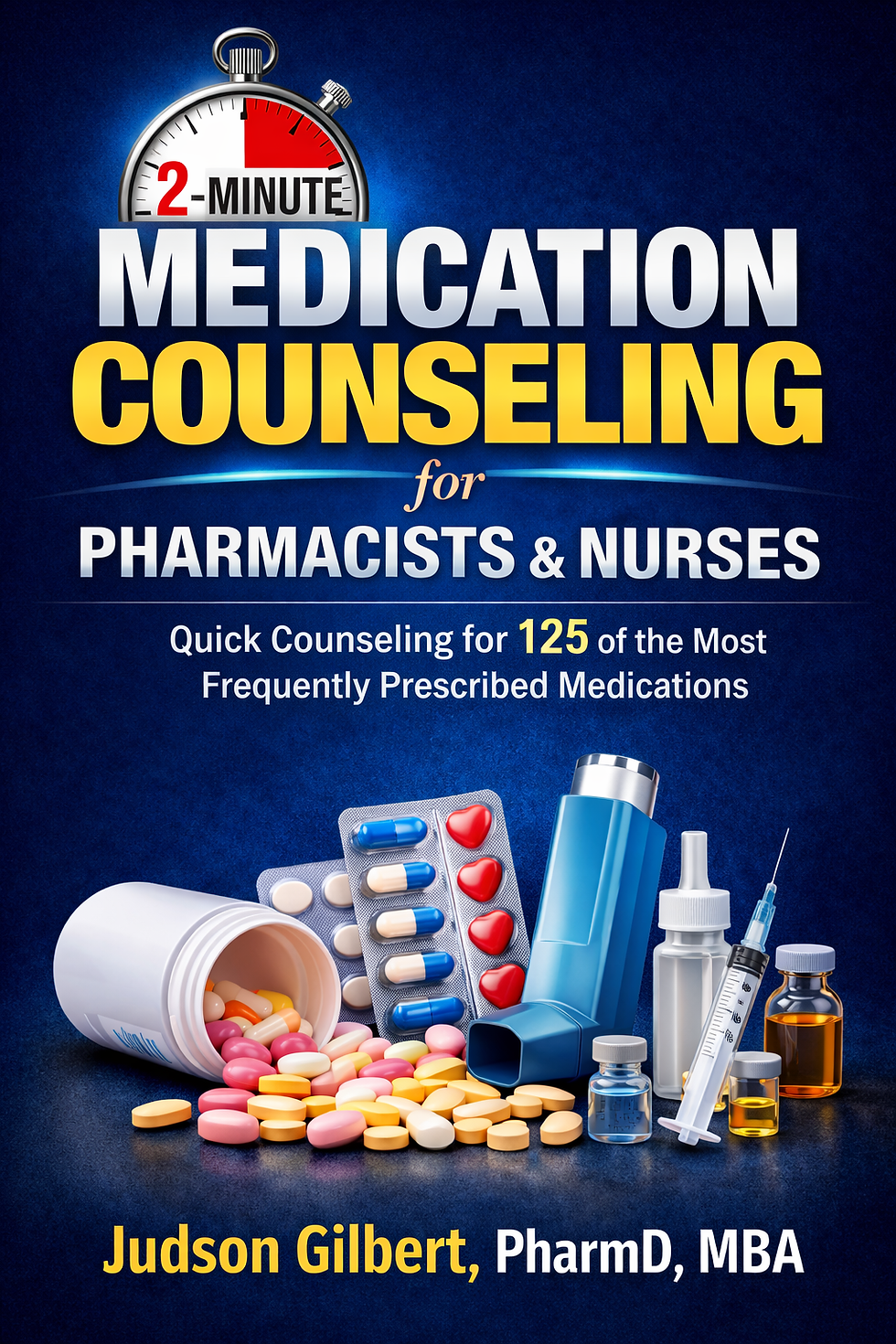
Spironolactone
Brand | Aldactone | Rank: #52 |
Drug class | MRA/K-sparing diuretic |
Indications | HFrEF, HTN, edema, hyperaldosteronism, acne off-label |
Manufactured doses | 25,50,100 mg |
Dose range | 12.5-200 mg/day |
Max daily dose | 400 mg/day |
Metabolism/Excretion | Hepatic; urine/feces |
Renal dosing | Avoid/monitor if eGFR low or K high |
Black box warning | None |
Major interactions | ACEI/ARB, K supplements, trimethoprim |
2-Minute counseling | How to take: Take with food if it upsets your stomach; morning dosing is often easiest. Expected effects: More urination, breast tenderness, or menstrual changes can occur. Safety: Call for severe weakness, palpitations, or little urine because potassium can run high. |
Pharmacist Pearls | Avoid potassium supplements and salt substitutes unless instructed. |

Provider's Guide to Outpatient Prescribing
Spironolactone 25-100mg (Aldactone) MDD=200mg -- ☼, AA Take one tablet by mouth daily for INDICATION – Avoid potassium supplements and high salt foods. Report breast development or nipple pain. |


